When choosing a digital signage media player, you don’t simply buy a device that connects to your screen. Your media player, its operating system, your display, and your digital signage platform must be able to work together to make a cohesive, reliable setup.
If one part isn’t compatible, you open yourself up to more potential flaws in the operation, from content that won’t play correctly to loss of remote management of your devices.
Luckily, learning about digital signage player compatibility is easier to understand than it sounds, even without an IT background. To get you up to speed and help you build a setup that works best for you, let us walk you through the basics.
What determines digital signage player compatibility?
Digital signage player compatibility comes down to four things: the operating system the media player runs, the screens you’re using, the content you plan to display, and your display configuration.
Media player and app compatibility
Most digital signage platforms include a cloud-based content management system, where you create, organize, schedule, and manage your content. Play was one of the first to offer cloud-based content creation, allowing users to manage their signage from anywhere.
Another component of digital signage platforms is the app that you install on a compatible media player or Smart TV to display your content.
The first check for digital signage player compatibility is whether your player’s OS supports your digital signage provider’s app. Some platforms only support a small number of operating systems or devices, limiting your choices for hardware.
Others, such as the Play Digital Signage app, work across several hardware options, giving you more flexibility. On an Amazon Fire TV Stick, for instance, you download the Play app directly from the Amazon Appstore. On more professional media players, you download it directly from our website, just as you would any other app.
Screen compatibility
Next, make sure your media player works well with the screen you plan to use. Many media players connect to TVs and commercial displays through HDMI. Supported Smart TVs, on the other hand, can run a digital signage app directly, so no separate media player is required. Play Digital Signage supports many of these Smart TVs, for instance, allowing you to publish content without the need for extra hardware.
Some features depend on the display itself. HDMI-CEC, for example, lets compatible players switch a TV on or off automatically, but support may vary between manufacturers.
You should also confirm that your setup supports the resolution your screens require, whether that’s Full HD, 4K, or 8K. For example, if you want to run content in 4K, make sure you pick a media player that supports 4K.
Content compatibility
Consider the types of content you want to display, as these may also affect which media player is the right fit. Most modern media players handle images, videos, dashboards, webpages, and playlists without any issues.
More demanding content, however, including high-bitrate video or graphics-heavy applications, may benefit from hardware with a faster processor and more memory. If you expect your content to become more complex in time, go for hardware that can keep up.
Display configuration
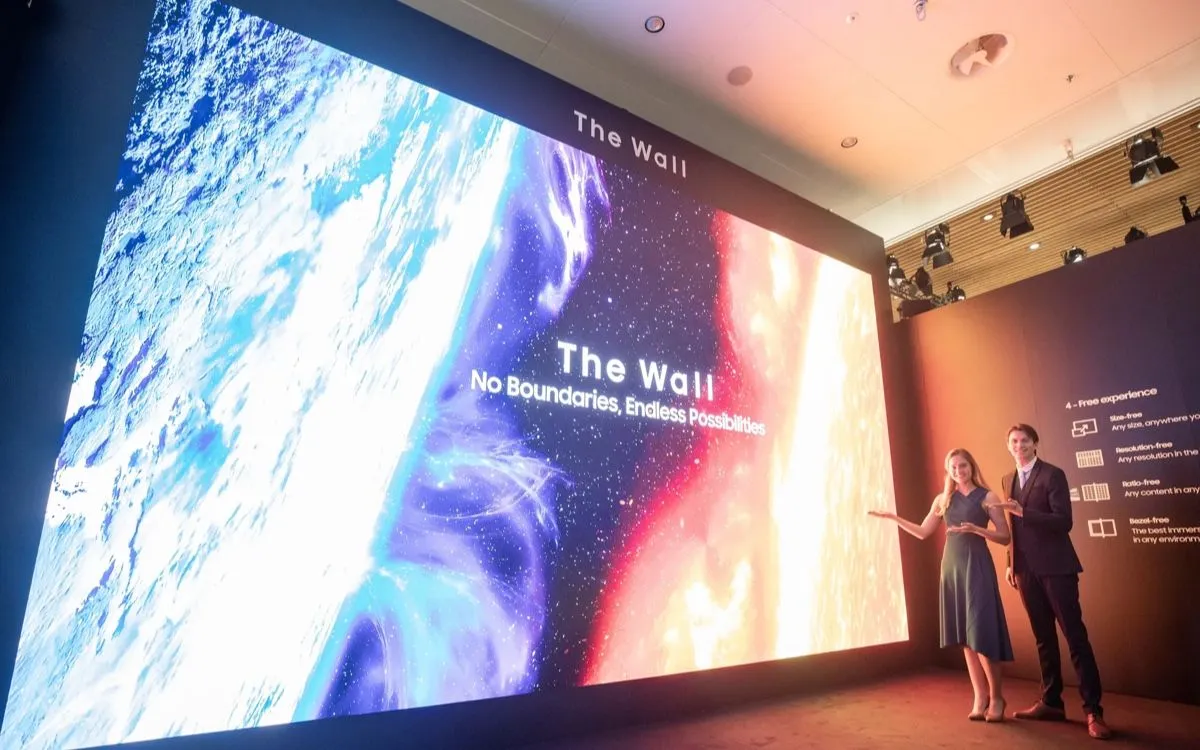
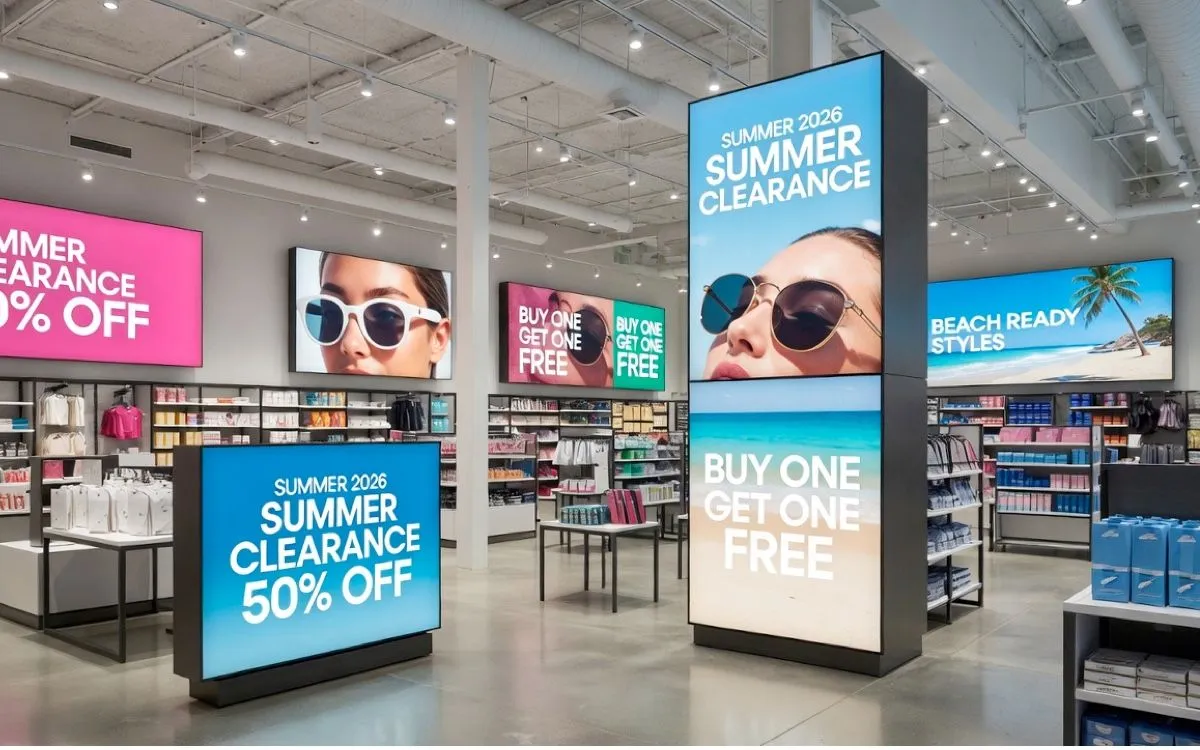
Your screen layout also affects which media player makes more sense for your setup. A single display showing standard content has very different hardware requirements compared to a large video wall or a setup with multiple screens.
Choose a media player that supports the display resolution and screen configuration your project requires.
Which media players and Smart TVs work with Play Digital Signage?
Some digital signage platforms only support a small number of media players or require their own hardware. Play Digital Signage, on the other hand, works with many of the media players and Smart TVs businesses already own.
Play makes it possible to run digital signage without proprietary hardware, giving you the freedom to build a system that best fits your budget and needs.
We support various digital signage hardware, including:
Digital signage players
- Amazon Signage Stick
- Amazon Fire TV Stick 4K Max
- Google TV Streamer (the successor of the discontinued Chromecast with Google TV)
- Raspberry Pi 4 and Raspberry Pi 5
- Windows PCs
- Mac mini devices
- Android-based media players
Smart TVs and displays
- Samsung Tizen displays
- LG webOS displays
- Sony BRAVIA professional displays
- Philips Android TVs
- Other compatible smart displays
See the full list of tested media players and Smart TVs.
Do you need a separate media player?
Not necessarily. While media players are often seen as a standard part of any digital signage setup, that’s not the case anymore.
Play Digital Signage can run on many modern Smart TVs directly, which means you won’t need a separate player. You can simply install the app, connect it to your account, and start publishing content without adding another device behind the screen.
In these cases, digital signage player compatibility becomes much less of a concern, making it a practical, cost-effective choice for many businesses.
However, digital signage players still make sense:
- if your display doesn’t support the Play app;
- if you’re using a standard TV without a compatible operating system;
- if you need multiple displays or a video wall; or,
- if your content demands more processing power than the TV can provide.
This is especially true if you expect your digital signage network to grow. As you add more screens, you may find that each one requires different hardware. For instance, a Smart TV might be enough in one location, while a video wall or outdoor display may require a dedicated media player.
Build a reliable digital signage setup with Play Digital Signage
When evaluating digital signage player compatibility, remember to look beyond the player itself. A successful setup depends on several moving parts working together, including your operating system, screens, content, and how you intend to use digital signage.
By opting for flexible digital signage software that supports a wide range of players, smart TVs, and operating systems, you can reuse existing hardware and expand your setup without replacing equipment that still works.
Since 2013, Play Digital Signage has been trusted by organizations around the world to manage digital signage across retail stores, schools, offices, healthcare facilities, manufacturing sites, and many other industries. We’ve built our software to work with a broad range of displays and hardware, so digital signage player compatibility can be one less thing you need to worry about.
How we write and check our articles:Editorial Policy