There are a ton of options when it comes to digital signage hardware. One of the most overlooked digital signage hardware offerings is Raspberry Pi running Digital Signage.
Let’s dive into using Raspberry Pi with digital signage today, including what it is, the benefits, what you’ll need, and how to get it set up.
What is Raspberry Pi?
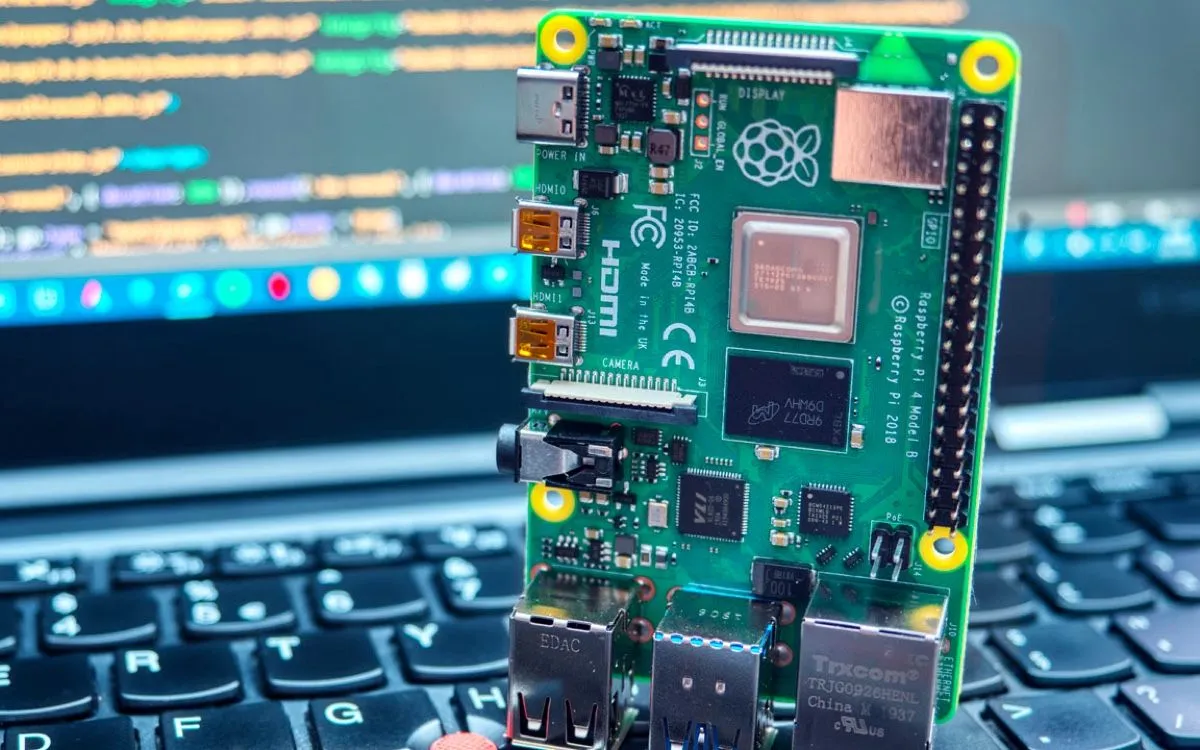
Raspberry Pi is a type of single-board computer developed by the Raspberry Pi Foundation. Initially, it was developed in 2012 as a low-cost, compact computer to teach computer science to children in developing countries. However, as further series and generations have been released, Raspberry Pi computers are used in a variety of applications, including digital signage.
Though you may be used to a traditional PC that is a large tower, with Raspberry Pi, the computer fits in your hand. Despite its small size, it has similar functionality to those that you are used to, with the majority of the same components.
Raspberry Pi isn’t necessarily a high-power computer that you can do extensive gaming on, but for digital signage, it is a doable option, especially if you already have it lying around.
The Linux Operating System
Unlike many computers that run Windows or Mac as the operating system that generates what you see on the screen, Raspberry Pi computers run a Linux operating system.
Linux is an open-source operating system that has been around since the early 1990s. It is a secure, reliable, and highly customizable operating system that runs a lot of the tech around you, such as home appliances, servers, and even the top supercomputers around the world.
Benefits of Raspberry Pi running Digital Signage
Raspberry Pi has several benefits when it comes to using it for your digital signage setup.
Easy To Conceal
The Raspberry Pi computers are single-board which gives them the advantage of being small. Since they are so small, they are also rather easy to conceal. Hide it behind your screen, on a small shelf, or in a corner somewhere. You can really put it anywhere to get a clean, sleek digital signage setup.
Good for Entry-Level Projects
Raspberry Pi is a fine choice for entry-level digital signage projects: menus, announcements, photos, slides and everyday videos. If you plan very heavy content, like several 4K videos at once or complex websites, compare it with the other digital signage hardware choices first.
Multiple RAM Options
Speaking of memory, with Raspberry Pi, you can choose how much RAM you need based on your individual content needs. Not many other digital signage hardware selections have this customization feature.
Disadvantages of Raspberry Pi running Digital Signage
Like with all things, there are a couple of disadvantages to using Raspberry Pi with digital signage.
Poor Driver Support
For one, the Linux operating system utilized on the Raspberry Pi computers gives you less than ideal driver support. This means that the small details like animations and transitions don’t work very well. It can still be done, but these elements won’t be as smooth as with some other options.
Can Be More Difficult to set up and learn
If you are not familiar with using Raspberry Pi and Linux, the systems can be more difficult in comparison to other operating systems. Once you make it past the learning curve, it’s smooth sailing, but it’s different than the Windows or Mac version of things that you are used to.
Raspberry Pi running Digital Signage Hardware Elements
For a Raspberry Pi digital signage arrangement, you’ll need three hardware elements.
Raspberry Pi 4
First, of course, is a Raspberry Pi computer. We recommend the Raspberry Pi 4 for digital signage. The Raspberry Pi 4 is fanless, so it runs extremely quietly, though it is still highly energy efficient. It also features Ethernet and wireless Internet capability, plus upgraded USB connectivity.
The Raspberry Pi 4 is in the entry-level pricing category for digital signage media players, coming in right around $100.
A Screen
Now, to display your digital content being run by the Raspberry Pi computer, you’ll need a screen. This can be any size screen, from a desktop computer screen to a large 85-inch TV. Feel free to fit the screen to your desired location and digital signage goals.
Connector Cable
The final piece of hardware you’ll need is a connector cable to merge the data from your Raspberry Pi computer to the screen you’ve chosen. On the Raspberry Pi 4 and 5, this will likely be a micro-HDMI to HDMI cable, though it’ll depend on what screen you have selected and the input ports it has.
How To Get Started Using Raspberry Pi running Digital Signage
So, once you have the hardware components, you may be asking– what now? Well, here’s how to get started using Raspberry Pi for digital signage.
Create a Play Digital Signage Account
Hardware isn’t the only thing you’ll need to get going with digital signage. You’ll also need digital signage management software.
Here at Play Digital Signage, we offer high-performance digital signage management software with the added benefit of a full-featured content editor at no additional cost. This means with Play Digital Signage, you can design and manage your digital signage content all in one place.
The Play Digital Signage software is also compatible with all major operating systems and hardware options, including Raspberry Pi and Linux.
The first step to getting started is to sign up for a Play Digital Signage account. The best part? Your first screen is free, and you can test on free trial screens (they show a watermark) until you see everything our powerhouse software is capable of.
Set Up Raspberry Pi running Digital Signage
Once you have both your digital signage software account and digital signage hardware, it is time to set up the hardware component. Boot up your Raspberry Pi computer, use your connector cable to connect it to the screen, then make sure your screen is turned on.
How to Set Up Play Digital Signage on Raspberry Pi for Offline Digital Signage Playback
Now that your hardware is set up and you have your software account access, you’ll need to connect the two. We’ve laid out the step-by-step instructions here for your convenience.
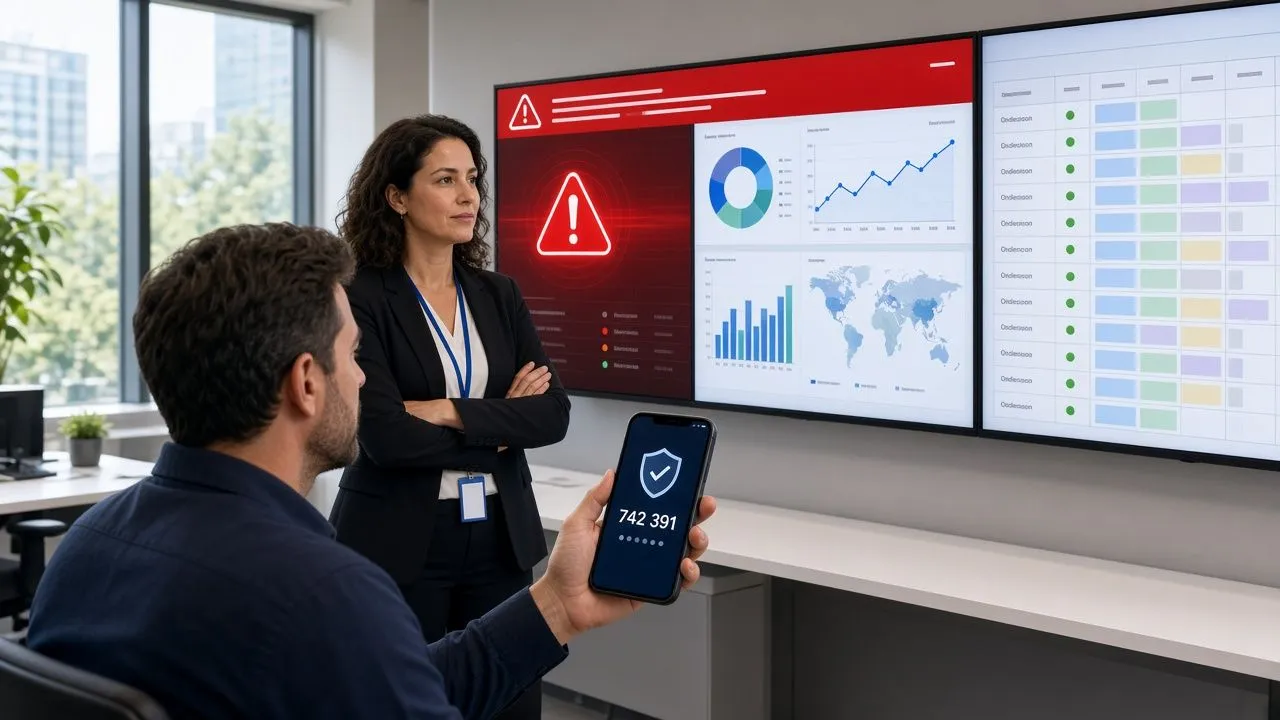
Once your Raspberry Pi is booted and the Play Digital Signage media player app is running on screen, you’ll see a prominent 6-digit pairing code. This code is the key to linking your device securely to your cloud account.
- Log in to your Play Digital Signage dashboard at my.playsignage.com.
- Navigate to Screens → Add screen.
- Enter the 6-digit code displayed on your Raspberry Pi screen and confirm.
Within seconds, your Raspberry Pi will register as a new screen in your account. You can then assign it a name, location, and start publishing content.
Enjoy Reliable Offline Digital Signage Playback
One of the biggest advantages of using Play Digital Signage on Raspberry Pi is its robust offline capability. After you design your playlists and publish them from the cloud, the full content—including images, videos, templates, zones, and schedules—is automatically downloaded and stored locally on the device.
This means your digital signage continues running smoothly even if the internet connection drops. The player will keep displaying your latest content on loop according to your schedule until the connection is restored and any updates sync automatically.
Tips for best offline performance on Raspberry Pi:
- Use a stable microSD card (Class 10 or faster, at least 32 GB recommended).
- Publish your content while the device is online first, so everything caches properly.
- For locations with spotty Wi-Fi, the Raspberry Pi 4 or 5 models handle local playback particularly well thanks to their improved performance.
- Monitor the connection status directly on the player screen (green = online, red = offline).
This setup makes Play Digital Signage on Raspberry Pi an excellent choice for remote locations, schools, retail stores, or any environment where uninterrupted digital signage is essential.
Once connected, head back to your dashboard to create your first playlist and publish it to the screen. If you run into any issues during pairing or want to enable kiosk mode for a fully unattended experience, check our detailed Raspberry Pi setup guide or contact support.
Design Your Digital Signage Content
Everything should be connected when you are finished setting up, so the final thing to do is to simply start designing your digital signage content.
Upload your photos, videos, favorite fonts, and more to your Play Digital Signage library, then use the content editor to add anything you’re missing and put it all together. Hit publish, and your digital signage content will appear on your screen!
Raspberry Pi For DIY Digital Signage
Raspberry Pi computers are a fine, affordable choice for entry-level digital signage projects and DIY setups, especially if you already have one on hand. Small, quiet and energy efficient, they run Play Digital Signage on any screen.
Check out the latest Raspberry Pi 5 with 8 GB RAM
How we write and check our articles:Editorial Policy